Top 10 Questions About Elevated Homes in Pinellas County (and Answers)

Got questions about elevated homes? At WinWay Homes, we have answers, because we specialize in elevated-home constructions in Pinellas County. Our in-depth familiarity with the area’s geography, regulations, and engineering requirements allows us to build quality custom homes for a lifetime of enjoyment, with elevation design techniques to withstand our unique climate challenges.
Here are the answers to the top 10 questions we frequently receive about elevated homes in Pinellas County. Please feel free to contact us if you have further questions.
1: Do I need to buy an elevated home in Pinellas County flood zones?
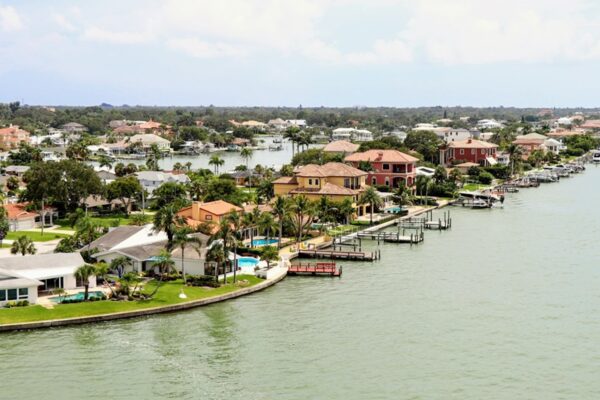
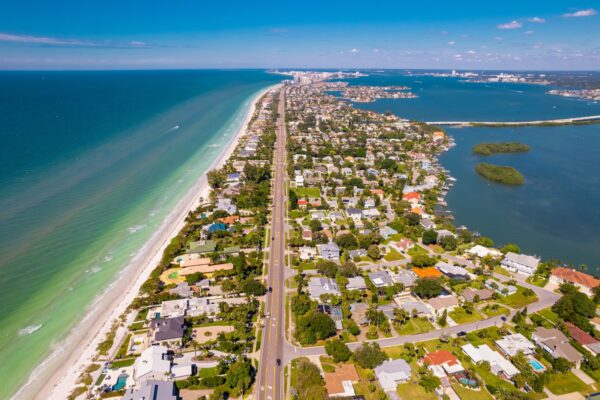
First of all, it is important to understand that every community in Pinellas County is in a flood zone, and there are strict elevation requirements for any new home construction in the area. This is why new elevated homes are becoming increasingly popular in coastal communities in the cities of St. Petersburg, Clearwater, and Gulfport, which all face flooding risks. With higher flood risks come higher insurance costs and tougher code requirements for new home constructions.
Elevated homes (with raised foundations using pilings or stilts) are a cost-effective solution for withstanding challenging weather conditions and for complying with stringent FEMA and Florida building codes to ensure safety and longevity. New, custom-elevated homes are also a better value, when you consider the lower insurance costs and increased resale value, along with better views of the coastal scenery.
2: What flood zone am I in if I’m buying a new home in Pinellas County?
Before buying an existing home or building a new home construction in Pinellas County, it’s important to understand your flooding risk. Flood zones are designated by FEMA and are used to determine building requirements and flood insurance needs.
Pinellas County provides an interactive flood zone map, where you can search by address to determine the flood zone for any property. Note that Special Flood Hazard Areas (SFHA) include zones A, AE, V, and VE. These are all considered at-risk areas for flooding.
Here’s a quick breakdown of flood zones by area:
St. Pete Beach: The entire City of St. Petersburg is classified as a Special Flood Hazard Area. This area, including zones AE and VE, is defined as having a 1% chance of being flooded in any given year (also referred to as the 100-year flood or base flood). By law, all homes in high-risk zones carrying a federally-backed mortgage must be covered by flood insurance, and must meet specific building criteria.
Clearwater Beach: Most of Clearwater Beach is also classified as a high-risk area, under flood zones AE and VE. The City of Clearwater also provides an interactive flood zone map to assess flood zone risk and elevation data.
Gulfport: Gulfport also contains areas in high-risk zones for flooding (zones AE and VE), especially near Boca Ciega Bay and area waterfront properties. Note that the City of Gulfport has made significant investments in flood mitigation planning, including updating floodplain data and required building codes.
Fortunately, the team at the Pinellas County Elevated Homes Division of WinWay Homes is well-versed in regulations for addressing flood zone risks, and employs the latest technologies to ensure every new home in the area meets or exceeds all safety standards.
3: Are there elevation requirements for new home constructions in Pinellas County?
Yes, Pinellas County enforces strict elevation requirements for new home constructions in flood-prone areas to minimize flood risks and comply with federal, state, and local regulations. Before purchasing a new custom home, it is important to partner with a home builder in Pinellas County that understands how to meet these requirements.
Here are some of the key elevation requirements that are designed to protect property and ensure eligibility for flood insurance.
- Base Flood Elevation: According to the Pinellas County website, all new or substantially improved buildings must be constructed at least one foot above the Base Flood Elevation (BFE). The BFE is the level to which floodwater is anticipated to rise during a base flood (a flood with a 1% chance of occurring in any given year). In some areas, the county’s elevation requirement can be BFE plus two feet, or the Design Flood Elevation (DFE), whichever is higher.
- Flood Design Requirements: In coastal high-hazard areas and Coastal A Zones, buildings must be elevated so that the bottom of the lowest horizontal structural member is above the BFE, plus any required freeboard. This ensures that homes are protected from floodwaters.
- Elevation Certificate: An Elevation Certificate is required to document the elevation of the building’s lowest floor and to verify compliance with floodplain regulations. This certificate is also necessary for flood insurance purposes.
4: How much more does an elevated home cost in Pinellas County?
Elevated homes can cost more to build than comparable ground-level homes, depending on the elevation height, type of foundation, and site conditions. The typical cost to build an elevated home in Pinellas County can range from around $220 to more than $570 a square foot, while ground-level constructions generally cost around $210 to $530 a square foot, according to industry experts like Home Guide.
However, the cost per square foot for raising an existing house can range from $10 to $40 (just for the elevation), with total foundation costs for pilings between $12,000 and $40,000. So, from a long-term value perspective, it may make financial sense to build a new elevated home to avoid extensive renovation costs in the future.
Here are some factors impacting long-term value:
- Insurance Costs: Flood insurance premiums are significantly lower for elevated homes. Raising a home above the BFE can reduce insurance costs by 30% to 60%, whereas ground-level homes in flood-prone zones can cost thousands of dollars more annually in insurance premiums.
- Longevity: Elevated homes are less likely to suffer flood damage, reducing long-term repair and maintenance costs and increasing the lifespan of the structure. They’re more durable because they are built to higher standards, such as moisture-resistant and wind-resistant siding.
- Resale Value: Elevated homes typically see a 15% to 25% increase in resale value in flood zones, compared to similar ground-level homes. As flood risks and insurance rates rise, buyer demand for elevated homes increases, supporting higher resale prices.
5: Per Florida state law, can WinWay Homes provide a Natural Hazard Disclosure Report for building in a flood zone?
Yes! In Florida, especially in flood-prone areas such as Pinellas County, a comprehensive disclosure about flood risk is mandated by state law. WinWay Homes can conduct a Natural Hazard Disclosure Report (NHD) to assess all the conditions at the new-build site, from flood zone determinations and BFE to soil conditions and state flood-related disclosures.
Also referred to as the Flood Risk Disclosure Report, the report can help you and your builder determine the most efficient way to bring your custom build to life. It also helps you and the WinWay team to:
- Ensure a safe and efficient construction: The report helps your builder make critical decisions on building elevation, the use of flood-resistant materials, and site planning to minimize flood damage risk.
- Assess impact on insurance costs: The report helps you assess your new home’s insurance requirements (and associated costs). Fortunately, WinWay Homes specializes in elevated homes that can reduce insurance premiums.
- Provide home ownership peace of mind: Understanding any flood risks before construction begins is one way WinWay Homes ensures your home’s safety and longevity, even in flood-prone areas like Pinellas County.
6: How do elevated homes perform in Pinellas County storms and hurricanes?
The simple answer is that elevated homes outperform slab-on-grade homes during storms and hurricanes, including coastal communities in Pinellas County. When it comes to storm protection, elevated homes are specifically designed to keep living spaces above the anticipated floodwaters from hurricanes and storm surges. Because they are built on pilings, stilts, or raised foundations, they meet and often exceed the BFE set by FEMA and local building codes.
Evidence from recent hurricanes (such as Helene and Milton) shows that properly elevated homes fared dramatically better during storm surges. While ground-level homes suffered significant flood damage or total loss, elevated homes often experienced only minor damage to garages or storage areas below the living space.
However, not every Pinellas County home builder is qualified to build an elevated home to protect against storms and hurricanes. They should be well-versed in building codes in Pinellas County and local cities like St. Petersburg, which require new or substantially improved homes in flood-prone areas to be built at least one foot above the BFE, with additional requirements in coastal high-hazard zones.
7: Do elevated homes lower flood insurance costs?
Yes, elevated homes significantly lower flood insurance costs in Pinellas County and in similar flood-prone areas. New, elevated home constructions also qualify for better FEMA flood zone ratings.
Here are some examples of how elevation impacts flood insurance costs.
- Elevation Reduces Risk: Homes built above the required BFE are less likely to experience flood damage, making them less risky for insurers.
- Premium Discounts: Elevating a home just one foot above the BFE can reduce annual flood insurance premiums by 30% or more. Greater elevation can provide even greater discounts.
- Community Discounts: As we noted earlier, the Pinellas County CRS provides up to a 40% discount on premiums for all eligible properties. Elevating your home stacks additional savings on top of this community-wide discount.
8: Does having an elevated home in Pinellas County affect my property taxes?
If you are concerned about having to pay higher property taxes for an elevated home, rest assured that elevating a home for flood mitigation does not automatically increase your home’s assessed value for property tax purposes in Pinellas County. Taxes are based on the assessed value (market value minus exemptions), not the cost of elevation or construction.
For example, as long as the property is your primary residence and you meet the residency requirements, you remain eligible for the Homestead Exemption, which reduces your assessed value by up to $50,000! Plus, the Save Our Homes cap limits annual increases in assessed value to 3% or the Consumer Price Index, whichever is lower, providing long-term tax savings for homesteaded properties (even if market values rise more quickly).
9: What are the maintenance requirements of an elevated home?
Just like for any new home, there are maintenance best practices to ensure your elevated home’s long-term safety, durability, and performance, especially when it comes to standing up to the elements in our Pinellas County climate. It’s also important to note that there are specific elevated home-design techniques that can help ensure your elevated home is compliant and future-proof. This includes using quality, marine-grade materials such as pilings or stilts made from treated wood, reinforced concrete, or steel.
Below are some general upkeep considerations for elevated homes, with a focus on Florida’s coastal environment.
- Pilings and Support Structures: Architectural experts recommend that you inspect pilings annually and after major storms for cracks, rot, rust, or other signs of deterioration. A raised foundation can help prevent problems like shifting, settlement, or erosion that can occur around the base of pilings.
- Stairs and Access Structures: Your elevated home builder can help you ensure stairs and access structures remain compliant with local building codes, including handrail height and tread depth. You should regularly inspect stairs, railings, and landings for stability, especially after storms or heavy use. Tighten loose hardware and replace damaged treads or handrails as needed.
- Raised Structure and Enclosed Areas: If the area below the living space is enclosed, use it only for parking, storage, or access (not for living space), per FEMA guidelines. Inspect lower enclosed walls (if present) for cracks, water intrusion, or signs of structural movement. Your elevated homebuilder can check that all utilities (HVAC, electrical, plumbing) are elevated above the BFE.
10: How do elevated homes affect resale value?
Across Florida, homeowners are elevating their homes along the coast to reduce their risk of flood damage. So it’s no surprise that new elevated homes in Pinellas County are considered safer investments than traditional ground-level houses. Buyers are often willing to pay more for homes that are elevated above flood-prone levels. This increased demand can translate into a higher resale value compared to similar ground-level homes.
New, elevated homes are increasing in popularity in Pinellas County because they are less likely to suffer flood damage, have lower insurance premiums, and are more attractive to future buyers who are concerned about long-term climate risks. Research shows that homes at higher elevations in Florida appreciate faster than those at lower elevations. Every additional foot of elevation can increase a home’s value, especially in or near flood zones.
WinWay Homes Is Ready to Answer Your Questions and Make Your Dream Home a Reality
With over 25 years of experience building custom homes, WinWay Homes has built strong relationships with municipalities throughout Pinellas County. These relationships allow us to navigate the permitting process efficiently, a benefit that works in your favor.
We specialize in crafting unique, tailored solutions for elevated homes in the St. Petersburg area, including Clearwater and Gulfport. From the initial site assessment to collaborative design and permitting, we handle every detail with precision and care. Our team is committed to building you a safe, custom home that is uniquely suited to your family’s lifestyle.
Are you ready to make your dream home a reality? Contact WinWay Homes today to schedule your free consultation and get started.