Pinellas County Base Flood Elevations and Permits: A Homeowner’s Guide to Building in St. Petersburg
If you’re planning a new custom home in St. Petersburg, you’ll hear a lot about flood zones, Base Flood Elevation (BFE), and permitting. The good news: once you understand the basics and partner with a builder who does this every day, the process becomes far more predictable. This guide breaks down advice from our WinWay Home design professionals and other industry experts (linked below), such as how to read FEMA maps, find your BFE, and move through the City of St. Petersburg permitting steps with fewer surprises.
Quick win tip: Pinellas County requires builders to construct most new homes in flood-prone areas at least one foot above BFE (“freeboard”). Building higher with a custom, elevated home can lower your flood insurance premiums.
Step 1: Know Your Flood Zone, and Why It Matters
FEMA flood maps show your property’s degree of risk (e.g., Zone AE, VE, X). This is important because mortgage home lenders use the maps to determine flood-insurance requirements, and local officials use them to apply floodplain rules. You can look up your address and download panels at FEMA’s Flood Map Service Center (MPC). Additionally, Pinellas County’s flood zone pages explain how those designations impact design and insurance.
For example:
- AE zones typically require elevating the lowest floor to or above BFE.
- VE/Coastal High Hazard zones add coastal-wave requirements (e.g., open foundations, breakaway walls, etc.).
Pro tip: For a new home construction in the St. Petersburg area, the soil report of your property is essential. Your custom home builder can use the report to help determine if you’ll need piles or can go straight into the foundation pour. The report ensures that you are building to your land’s specific requirements, which helps safeguard and future-proof your home.
Step 2: Find Your BFE Before Planning a New Build
Before your new home construction breaks ground in Pinellas County, it’s important to understand your flooding risk and your base flood elevation. Your BFE is the computed elevation that floodwater is expected to reach during a base (1-percent-annual-chance) flood.
You can find it via:
- FEMA maps (as noted above) and community flood hazard data.
- USGS/FEMA Estimated BFE Viewer, which helps with early planning pre-construction (allows you to select an area of interest for finding your estimated BFE).
- The Pinellas County Flood Information Services (727-464-7700) for confirming the BFE.
Time-saving tip: Your custom home builder can help you determine your BFE before your new home breaks ground and ensure your new construction meets area elevation requirements.
Step 3: Plan for Elevation, and What Goes Below the Living Floor
The below-BFE or “living floor” space in St. Petersburg homes can be designated for parking, access, and storage. However, a custom home builder must use flood-damage-resistant materials, flood openings, and, in some coastal zones, breakaway walls that release under surge forces. These design techniques protect your new home’s structure and can be detailed attractively in a custom design.
Step 4: Elevation Certificates: What They Are and When You Need Them
A FEMA Elevation Certificate (EC) is a surveyor-prepared document that records your new home’s key elevations, such as the lowest floor relative to BFE. Coastal communities and insurers use ECs to confirm compliance and set flood-insurance premiums. Pinellas County requires ECs as part of the building permit process for work in flood hazard areas.
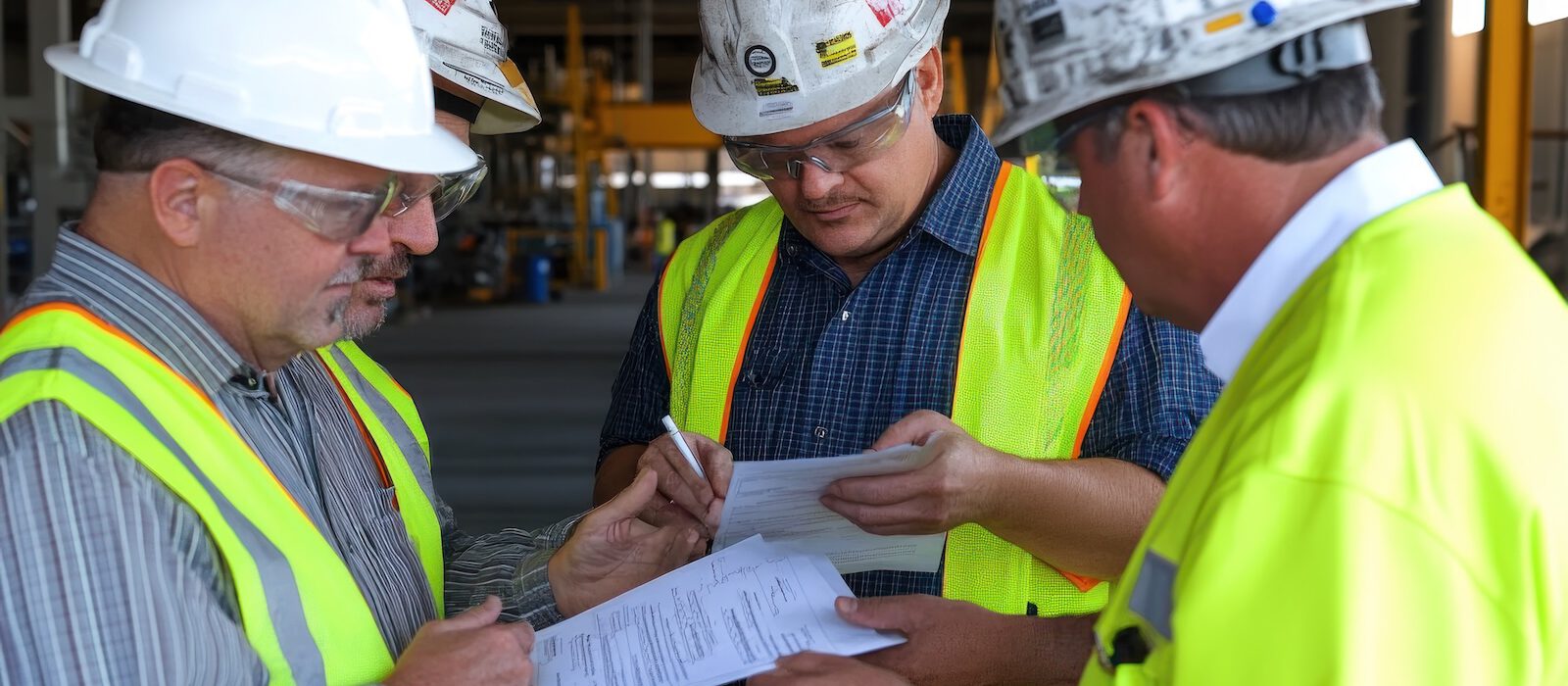
Pro tip: A local St. Petersburg home builder can explain Pinellas County and state permitting requirements. Custom home builders like WinWay Homes can ensure permitting requirements are being met, thanks to their in-depth familiarity with the area’s geography, regulations, and engineering requirements.
Step 5: Permitting in the City of St. Petersburg: What to Expect
The City of St. Petersburg Construction Services & Permitting team publishes an ePlan Residential Submittal Checklist for new single-family homes. Per the list, your new home construction will require a completed building permit application, sealed plans, surveys, energy forms, and any floodplain-related documents (e.g., flood zone, BFE, EC).
Your St. Petersburg custom home builder can help with submitting a complete package for permitting and to keep your new home construction moving forward, including:
- Applications and forms: Downloadable from the City website (with email and in-person submission options).
- Permit procedures: The City’s floodplain code outlines what information must be included in the application (description of work, location, flood zone/BFE, etc.).
- Inspections and status: Your builder can refer to the City’s online portal to schedule inspections and track plan comments and permit history.
For county permitting: At the county level, floodplain development in unincorporated areas uses a specific Application for Construction in a Floodplain, which your builder can use to ensure compliance at the county level.
Partner With an Experienced Custom Builder to Streamline the Permitting Process in St. Petersburg
Building in a flood zone doesn’t have to be daunting. When your team understands FEMA flood maps, BFEs, and St. Petersburg permitting, you get a home that’s elevated for safety — and elevated in design. If you’re ready to build your new dream home in our Sunshine City, WinWay Homes can translate the rules into a smooth process and a beautiful result.
As a seasoned custom home builder in St. Petersburg, WinWay Homes coordinates the moving parts so you don’t have to, including:
- Site planning: Our team confirms flood zone/BFE early, sets finished-floor targets (including Pinellas’s +1 ft freeboard requirement), and aligns structural systems accordingly.
- Design and documentation: We integrate the FEMA/Florida code requirements (open foundations, flood vents/breakaway walls where required) into an architectural solution that still looks luxurious.
- Survey and EC coordination: We handle the sequencing of the Elevation Certificate at the right milestones (construction drawings, under-construction, and final).
- Permits and inspections: This includes submitting all plans for permitting, responding to comments, and scheduling inspections through the City portal.
Thinking about an elevated custom home in St. Petersburg?
Contact WinWay Homes today to talk about your lot, your BFE, and a design that meets code — and looks exceptional from the street.
This article is for general guidance only and isn’t legal or engineering advice. Your project team will confirm requirements specific to your parcel and design.